Some films announce adventure. This one begins with inheritance. A small object changes hands, quietly, carrying a weight far greater than it appears. From the very beginning, The Fellowship of the Ring frames its journey not as a quest for glory, but as an obligation passed down unwillingly.
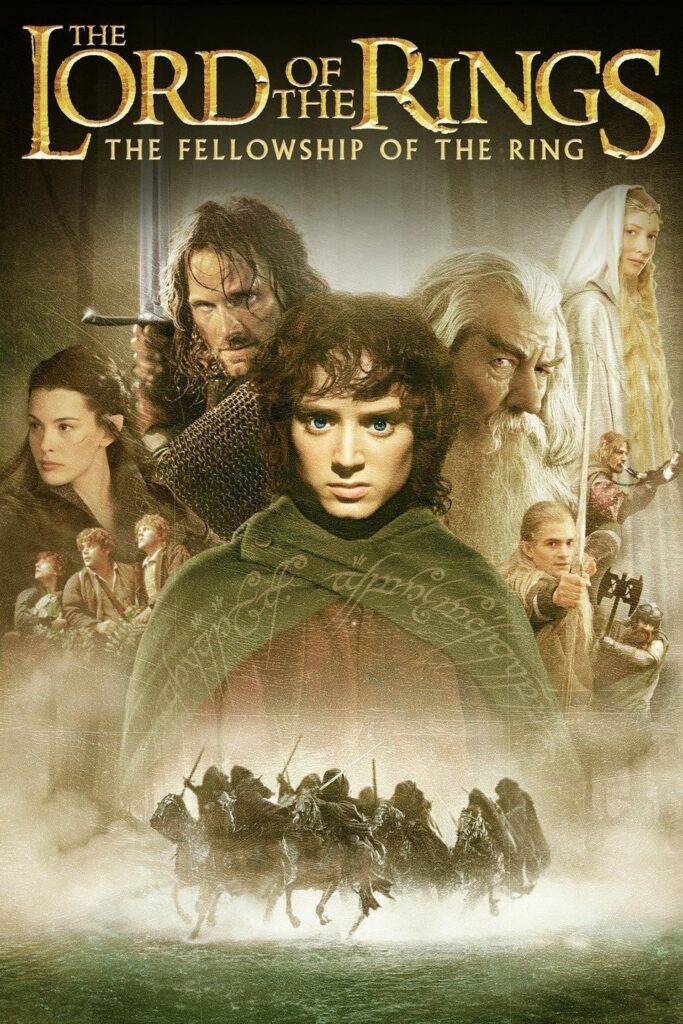
Released in 2001, the film arrived at a moment when large-scale fantasy was rarely treated with seriousness. Instead of spectacle alone, it offered patience. It trusted that audiences would sit with world-building, relationships, and moral tension long before swords were drawn.
How the Film Feels
Watching The Fellowship of the Ring feels like stepping into a story that already existed before you arrived. The world feels lived-in, shaped by memory, loss, and unfinished history. There is comfort in its landscapes, but also an undercurrent of danger that never fully recedes.
What stayed with me was the sense of vulnerability. Power in this film does not empower easily. It isolates, burdens, and tempts. Even moments of beauty feel fragile, as if they might slip away without warning.
The Story in Brief
The story follows Frodo Baggins, a quiet and unassuming figure who inherits a ring tied to immense destructive power. As the truth about the ring becomes clear, a journey forms around him, drawing together individuals from different races and loyalties.
The group’s mission is simple in purpose but overwhelming in scale: to destroy the ring before it can be reclaimed by a rising darkness. As the journey unfolds, unity is tested, trust fractures, and the idea of a single path forward becomes uncertain. The film ends not with resolution, but with separation, acknowledging that some journeys cannot be completed together.
The Hands Behind the Film
Director Peter Jackson approaches the material with reverence rather than excess. The film balances scale with intimacy, ensuring that emotional stakes remain visible amid sweeping landscapes.
The pacing allows relationships to form naturally. Silence, travel, and shared hardship are treated as essential elements, not filler. This deliberate rhythm gives the story room to breathe, grounding fantasy in emotional realism.
Characters and Performances
Elijah Wood brings quiet sincerity to Frodo, making his reluctance feel authentic rather than heroic. His performance centers vulnerability, emphasizing the cost of responsibility rather than the thrill of adventure.
Ian McKellen provides emotional gravity as Gandalf, embodying wisdom shaped by restraint. Viggo Mortensen adds depth and weariness to Aragorn, presenting leadership as something earned slowly. The ensemble works because no single character dominates the journey; each carries a different kind of burden.
Why It Endures
The Fellowship of the Ring endures because it understands that courage is rarely loud. It emerges through persistence, doubt, and shared struggle. The film does not promise victory. It promises effort.
What lingers is the idea that some responsibilities cannot be refused, only accepted. That choosing to carry something heavy does not make you stronger, but it may make you necessary. The film stays because it treats endurance, not triumph, as the heart of the journey.