Goodfellas begins with excitement. From the first few minutes, the film makes it clear that this is a story told from inside the rush. Power feels close. Money feels easy. Moments feel distant.
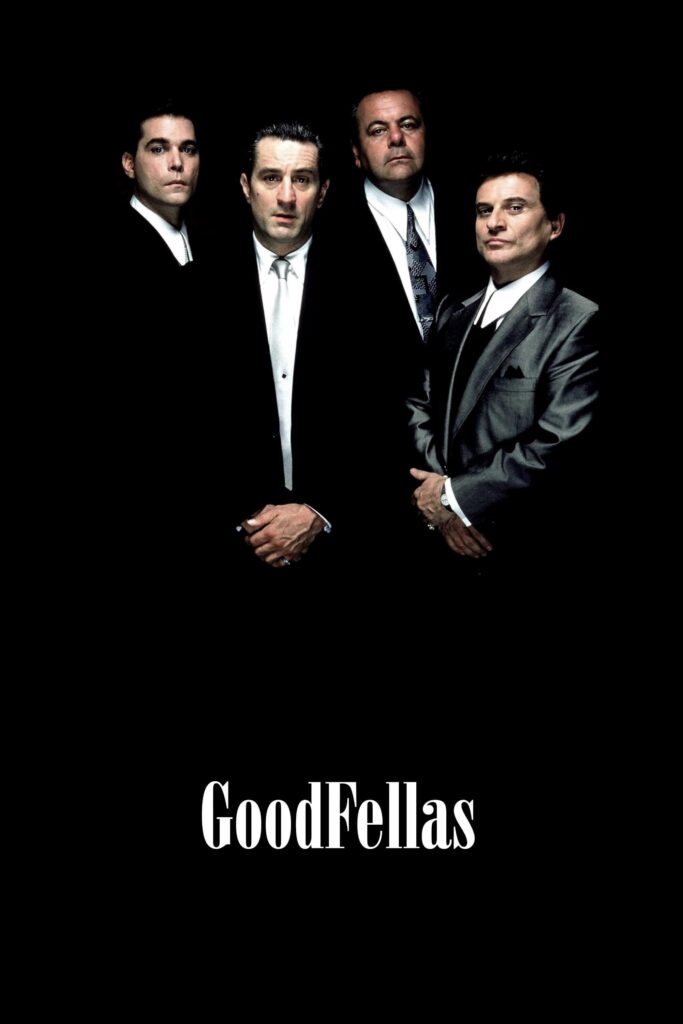
Released in 1990, Goodfellas still feels alive because it refuses nostalgia. It does not look back fondly or critically at first. It simply remembers how intoxicating everything felt before the cracks appeared.
This is not a crime film about morality.
It is about seduction.
How the Film Pulls You In
What stands out while watching Goodfellas is how quickly it draws you into its rhythm. Scenes move fast. Music flows constantly. Conversations overlap. The film rarely pauses long enough for reflection.
That speed is intentional. You experience success the same way the characters do. Without thinking. Without questioning. By the time doubt arrives, you already understand why it is too late to turn back.
The film makes excess feel regular. Comforting even.
The Story, From the Inside
The story follows a young man drawn into the world of organised crime, not through violence, but through closeness. He watches. Learns. Adapts. The lifestyle becomes routine before it becomes dangerous.
There is no single turning point. The fall happens gradually. Loyalty blurs into paranoia. Control slips into chaos. What once felt powerful starts to feel exhausting.
The tragedy is not the loss of wealth. It is the loss of direction.
The Hands Behind the Film
Director Martin Scorsese tells the story with relentless momentum. The camera moves constantly, often following characters through spaces without interruption. The style reflects obsession rather than observation.
Editing plays a crucial role in shaping the experience. Scenes rarely settle. The pace mirrors the characters’ rising dependence on speed and stimulation. As things unravel, the film itself begins to feel unstable.
The craft does not judge. It submerges.
Characters and Performances
Ray Liotta brings openness to the central role, allowing the audience to experience the attraction before recognising the danger. His performance shifts quietly, moving from confidence to anxiety without announcing the change.
Robert De Niro plays control with restraint. His calm presence suggests intelligence rather than aggression. Joe Pesci, on the other hand, introduces volatility. His unpredictability is unsettling because it feels casual.
Together, they create a world that feels exciting until it suddenly feels unsafe.
Why the Film Endures
Goodfellas lasts because it understands something uncomfortable.
It shows how easily people trade freedom for belonging.
How success can feel convincing even when it is fragile.
How downfall rarely announces itself.
The film does not warn you. It lets you enjoy the rise. And that honesty is what makes the ending hit harder.