There is a moment in The Matrix where certainty quietly dissolves. Not through action, but through doubt. A question is planted, and once it settles, nothing feels solid again. The film understands that transformation rarely begins with answers. It begins with unease.
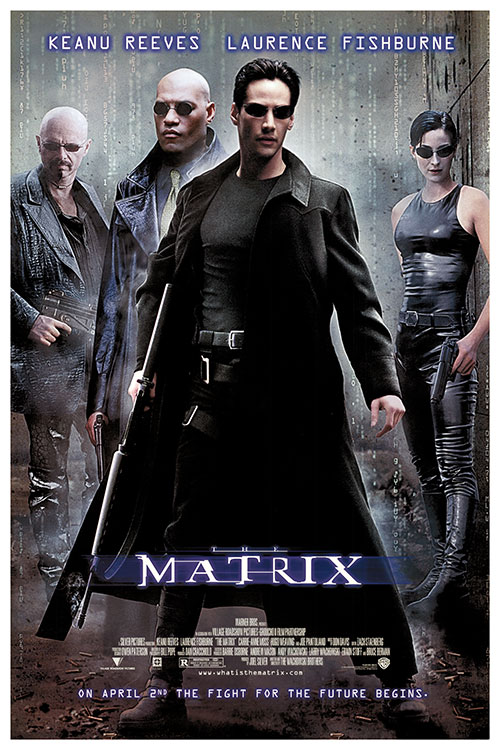
Released in 1999, The Matrix arrived at the edge of a technological shift, when digital life was no longer a concept but a presence. The film captured that anxiety without naming it directly. Instead of predicting the future, it asked whether reality itself was already compromised.
How the Film Feels
Watching The Matrix feels like waking up mid-thought. The world appears familiar, yet slightly misaligned. Streets look normal, conversations sound ordinary, but something underneath feels wrong.
What stayed with me was the loneliness of awareness. The idea that seeing clearly can isolate you. The film does not treat awakening as empowering alone. It treats it as disorienting, even painful. Freedom comes with loss, and the film never pretends otherwise.
The Story in Brief
The story follows a computer programmer who senses that the world around him is incomplete. His search for truth leads him toward a hidden resistance that believes reality is an artificial construct designed to control humanity.
As he learns more, the illusion begins to fracture. Choices become irreversible. The film traces the journey from suspicion to acceptance, and finally to responsibility. What matters is not just what the truth is, but what one does after learning it.
The Hands Behind the Film
Directors The Wachowskis approach the film with clarity of vision. The style is bold, but never careless. Every visual choice reinforces the idea of constructed reality, from rigid framing to controlled movement.
The pacing balances explanation with momentum. The film knows when to pause for understanding and when to move forward without answers. That confidence allows complex ideas to remain accessible without dilution.
Characters and Performances
Keanu Reeves plays the central role with restraint, allowing confusion and hesitation to surface naturally. His performance works because it avoids heroism early on, making the transformation feel earned rather than assumed.
Laurence Fishburne brings calm authority, grounding the film’s philosophy with conviction. Carrie-Anne Moss adds emotional clarity, offering strength without exposition. The performances work together to keep the film human, even as it explores abstraction.
Why It Endures
The Matrix endures because it speaks to a recurring fear. That systems shape perception. That comfort can be engineered. That questioning reality comes at a personal cost.
What lingers is not the action or the spectacle, but the invitation to doubt. The film does not demand belief. It asks for curiosity. And in doing so, it reminds us that freedom often begins the moment we stop accepting the world exactly as it is presented to us.