The Dark Knight does not begin like a typical superhero film. It opens with precision and tension, establishing a world that already feels unstable. From the first sequence, the film makes it clear that this is not a story about victory, but about endurance.
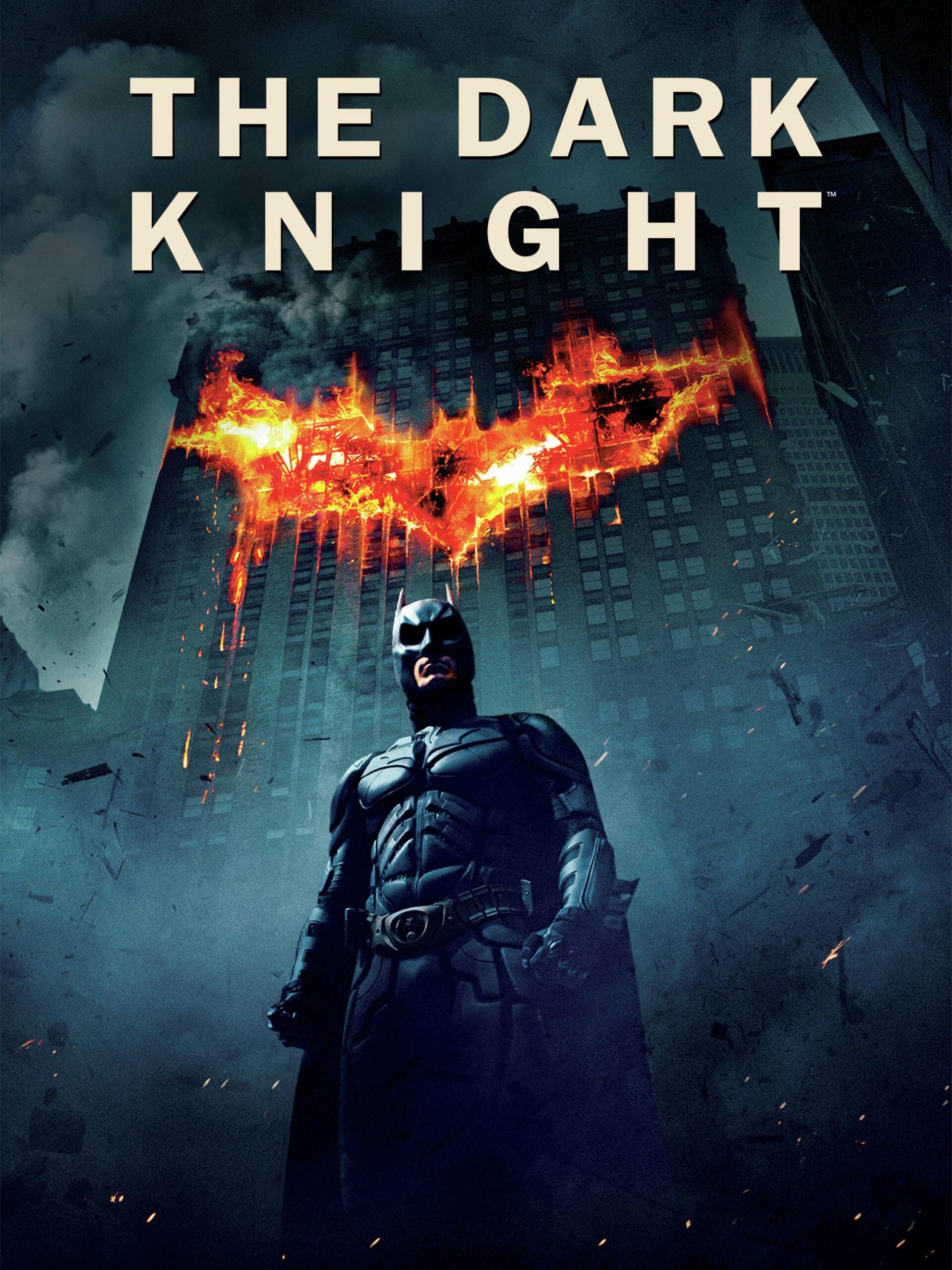
Released in 2008, the film arrived during a time of growing unease about systems, authority, and moral certainty. While it wears the frame of a comic-book adaptation, its concerns feel grounded and unsettlingly familiar. Gotham is not just a city in danger. It is a city questioning its own foundations.
How the Film Feels
Watching The Dark Knight feels heavy, but controlled. The film rarely pauses for relief. Even quieter moments carry tension, as if something is always on the verge of tipping. There is a constant sense that every decision will carry consequences beyond intention.
What stayed with me was the feeling of moral exhaustion. Characters are repeatedly forced into situations where every option feels compromised. The film does not offer comfort. It allows discomfort to linger, asking the viewer to sit with it rather than resolve it.
The Story in Brief
The story follows Batman as he continues his efforts to protect Gotham alongside allies within the legal system. Their fragile balance is disrupted by the emergence of the Joker, a criminal who thrives not on power or wealth, but on dismantling order itself.
As the Joker’s actions escalate, the lines between justice and compromise begin to blur. The film traces how far individuals and institutions are willing to bend their principles to maintain control. What unfolds is less a battle of strength and more a test of values under pressure.
The Hands Behind the Film
Director Christopher Nolan grounds the film in realism and restraint. The action is purposeful, never exaggerated for spectacle alone. Every set piece serves the larger question of responsibility and consequence.
The film’s pacing is deliberate. It balances large-scale sequences with intimate moments of decision, allowing tension to build without rushing toward resolution. The direction trusts the audience to follow complexity rather than simplify it.
Characters and Performances
Christian Bale portrays Batman with restraint, emphasizing burden over heroism. His performance reflects a character aware of the personal cost of his role, even when success seems temporary.
Heath Ledger’s Joker dominates the film with unpredictability. His performance is not loud for attention, but unsettling in its calm. Aaron Eckhart adds emotional weight as Harvey Dent, embodying the fragility of idealism when exposed to chaos.
Why It Stays
The Dark Knight stays because it refuses easy answers. It suggests that order is fragile and that maintaining it often involves uncomfortable choices. The film does not celebrate darkness, but it acknowledges its presence honestly.
What lingers is the recognition that doing the right thing does not always feel heroic. Sometimes it feels isolating, misunderstood, and incomplete. The Dark Knight endures because it treats moral conflict not as a puzzle to solve, but as a weight to carry.
Check out other Christopher Nolan’s Films Inception (2010), Oppenheimer (2023), Interstellar (2014).